Introduction: Understanding Technology Transformation
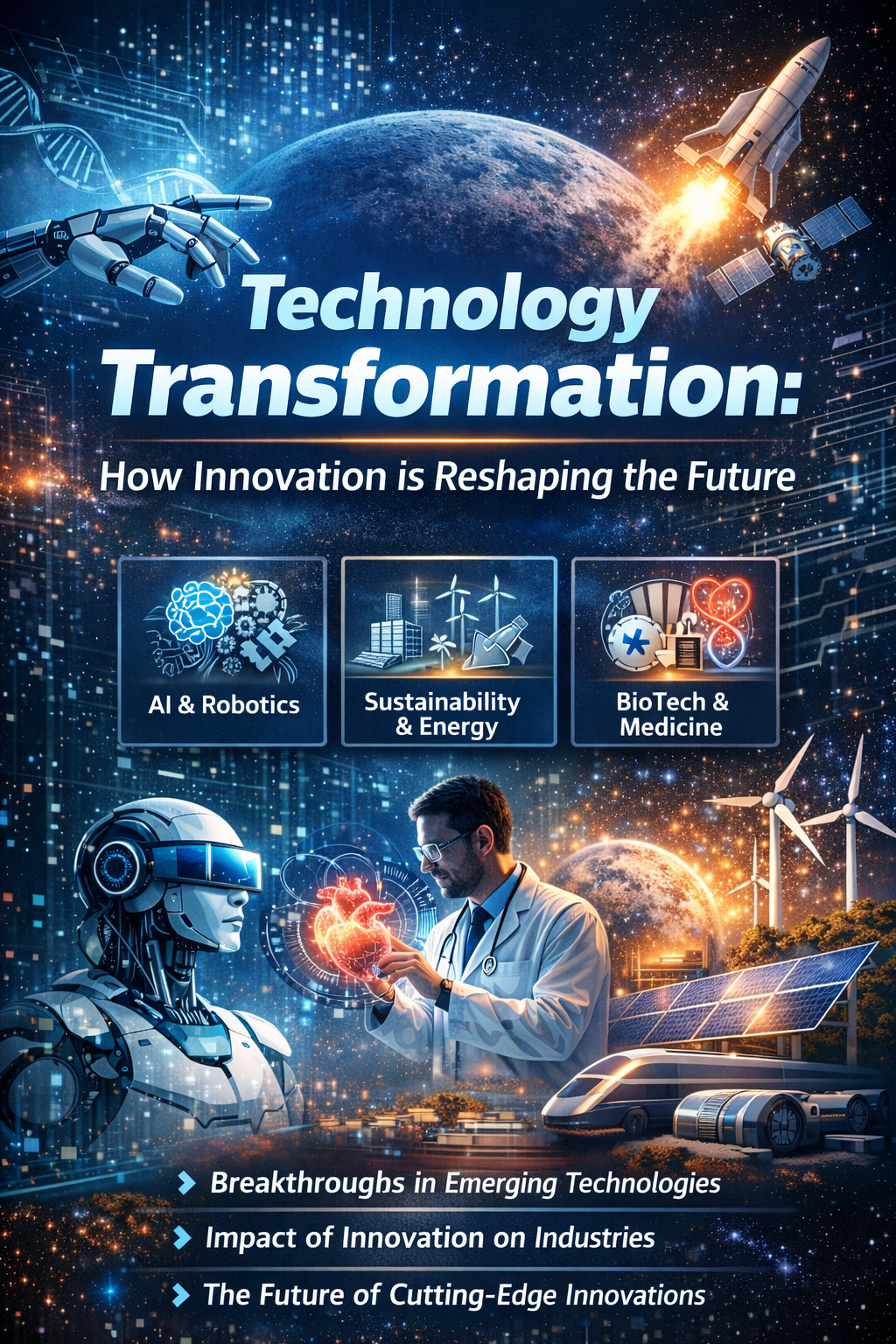
In today’s fast-paced world, technology transformation has become a critical driver of innovation, efficiency, and competitiveness across all industries. From small startups to global corporations, organizations are leveraging emerging technologies to reinvent processes, enhance customer experiences, and create entirely new business models.
At its core, technology transformation refers to the strategic adoption of advanced technologies to improve operations, accelerate growth, and stay relevant in an ever-evolving market. Unlike traditional IT upgrades, this transformation often involves rethinking how businesses function, integrating digital tools like AI, IoT, cloud computing, and automation, and aligning technology strategies with long-term business goals.
The importance of technology transformation extends beyond business operations. It influences society, reshapes job roles, and drives innovation in sectors such as healthcare, finance, education, and retail. According to a recent Gartner report, organizations that invest in comprehensive technology transformation strategies are 3.5 times more likely to achieve higher efficiency, faster innovation, and improved customer satisfaction.http://futuretechfrontier.com
This article will provide an in-depth look at technology transformation—exploring its definition, key drivers, benefits, challenges, industry applications, future trends, and real-world examples. By the end, readers will have a thorough understanding of how technology transformation is reshaping the world and practical insights on how to navigate it successfully.
What is Technology Transformation?
Definition and Meaning
Technology transformation is the process of integrating advanced technologies into every aspect of an organization, fundamentally changing how it operates, delivers value, and competes in the market. It goes beyond simple digitization or automation—it’s about rethinking business models, workflows, and customer engagement strategies to leverage modern technological tools effectively.
In practical terms, technology transformation can involve implementing artificial intelligence (AI) for predictive analytics, adopting cloud computing to enable remote operations, or using Internet of Things (IoT) devices to improve operational efficiency. It’s not limited to large enterprises; small and medium-sized businesses are increasingly embracing tech transformation to remain competitive and relevant in rapidly evolving markets.
Difference Between Digital Transformation and Technology Transformation
While often used interchangeably, digital transformation and technology transformation are distinct concepts:
| Aspect | Digital Transformation | Technology Transformation |
|---|---|---|
| Focus | Adopting digital tools to improve customer experiences and processes | Strategic integration of technology into all aspects of business |
| Scope | Primarily software, digital platforms, and customer-facing technology | Broader; includes hardware, processes, AI, automation, IoT, and business strategy |
| Goal | Enhance digital presence and efficiency | Drive innovation, competitiveness, and organizational change |
In essence, digital transformation is a subset of technology transformation. While digital tools are a key part of transformation, technology transformation encompasses a larger vision that includes both organizational restructuring and strategic adoption of emerging technologies.
Importance of Technology Transformation in Today’s World
The significance of technology transformation cannot be overstated. Businesses and industries that embrace this transformation gain a competitive edge, improve operational efficiency, and can better anticipate and meet customer needs. Key reasons it matters include:
- Enhanced Operational Efficiency: Automation and smart technologies reduce manual effort and improve productivity.
- Cost Optimization: By streamlining processes and using cloud-based solutions, organizations can cut overhead costs.
- Innovation and Growth: Companies can create new products, services, and business models faster.
- Improved Customer Experience: Personalized services powered by AI and analytics enhance satisfaction and loyalty.
- Data-Driven Decision Making: Real-time analytics provide actionable insights that guide strategic decisions.
Case Study Example:
Siemens, a global industrial manufacturing company, implemented an extensive technology transformation program by adopting IoT-enabled machinery and AI-driven predictive maintenance. This not only reduced downtime by 20% but also improved overall operational efficiency, proving that strategic tech transformation can deliver measurable business value.
Key Drivers of Technology Transformation
Technology transformation does not happen in isolation. It is driven by a combination of technological, market, and organizational factors that compel businesses and industries to evolve. Understanding these drivers is essential for companies planning a successful transformation strategy.
Emerging Technologies Fueling Transformation
The most significant catalyst for technology transformation is the rapid advancement of emerging technologies. Some of the key technologies driving change include:
- Artificial Intelligence (AI) and Machine Learning (ML): AI enables businesses to automate decision-making, enhance predictive analytics, and deliver personalized experiences. For example, AI-powered chatbots handle customer queries 24/7, while ML algorithms optimize supply chains.
- Internet of Things (IoT): Connected devices collect real-time data, allowing businesses to monitor performance, predict maintenance needs, and improve operational efficiency. IoT is especially transformative in manufacturing, healthcare, and logistics.
- Cloud Computing: Cloud platforms enable scalable, flexible, and cost-effective IT infrastructure. They allow remote work, collaboration, and faster deployment of digital services.
- Blockchain: Beyond cryptocurrency, blockchain provides secure, transparent, and tamper-proof data management, which is valuable in finance, healthcare, and supply chain management.
- Automation and Robotics: From robotic process automation (RPA) to advanced robotics in factories, automation reduces manual errors, accelerates workflows, and lowers operational costs.
Fact: According to a McKinsey report, organizations that implement AI and automation in core operations can achieve up to 40% improvement in efficiency.
Changing Consumer Expectations
Consumers today expect faster, more personalized, and seamless experiences. These expectations are pushing businesses to adopt technology transformation strategies that enhance customer interactions. Key trends include:
- Personalized product recommendations using AI.
- Real-time customer support through chatbots and virtual assistants.
- Omnichannel experiences that seamlessly integrate online and offline interactions.
- Faster delivery, digital payments, and self-service options.
Meeting these expectations is no longer optional—companies that fail to embrace tech transformation risk losing customers to more digitally advanced competitors.
Competitive Pressure and Market Demands
The fast-moving market and global competition are major forces behind technology transformation. Companies are pressured to innovate continuously to:
- Launch new products and services faster.
- Improve operational efficiency and reduce costs.
- Stay ahead of competitors who leverage emerging technologies.
- Adapt quickly to disruptions such as new regulations or global events.
Example: Retail giant Walmart invested heavily in AI, robotics, and IoT to streamline logistics and compete with Amazon’s digital-first strategy. This demonstrates how competition drives rapid technology adoption.
Regulatory and Compliance Changes
Government regulations and industry standards are also key drivers. Many industries, such as finance, healthcare, and manufacturing, face stringent rules that require:
- Secure data handling and privacy (e.g., GDPR, HIPAA).
- Traceability in supply chains.
- Reporting compliance using digital tools.
Implementing technology transformation ensures companies not only comply with regulations but also gain efficiency in monitoring and reporting processes.
Technology Transformation in Different Industries
Technology transformation is reshaping every sector, from healthcare to retail. By adopting advanced tools and innovative strategies, industries are improving efficiency, enhancing customer experience, and creating new business models. Below, we explore how technology transformation is applied in key industries.
Healthcare
Healthcare is one of the most profoundly transformed sectors due to technology. Key advancements include:
- Telemedicine: Virtual consultations and remote monitoring allow patients to access care from anywhere, reducing the need for physical visits.
- AI Diagnostics: Artificial intelligence algorithms can analyze medical images, detect anomalies, and even predict disease progression, improving accuracy and speed.
- Wearable Health Tech: Smartwatches and wearable devices track heart rate, sleep patterns, and other vital signs, giving both patients and doctors real-time data for better health management.
- Electronic Health Records (EHR): Digitized patient records enable seamless communication between healthcare providers and improve treatment coordination.
Case Study: Mount Sinai Health System implemented AI-driven diagnostic tools and telehealth platforms, resulting in a 30% increase in patient engagement and faster diagnosis turnaround times.
Finance
The finance sector has embraced technology transformation to enhance efficiency, security, and customer experience:
- FinTech Innovations: Mobile banking, peer-to-peer lending, and robo-advisors provide customers with faster, more personalized services.
- Digital Payments: Cashless transactions, contactless payments, and blockchain-enabled systems are redefining how money moves.
- Fraud Detection and Risk Management: AI and machine learning detect fraudulent transactions in real-time and assess risk more accurately.
- Blockchain for Transparency: Blockchain ensures secure, tamper-proof records for banking and trading processes.
Fact: According to Deloitte, over 77% of financial institutions have integrated at least one form of AI into their operations to improve service efficiency.
Manufacturing
Manufacturing has seen a dramatic shift through technology transformation, enabling smart and efficient production:
- Automation and Robotics: Robots handle repetitive and dangerous tasks, improving safety and consistency.
- Smart Factories: IoT sensors monitor equipment performance in real-time, reducing downtime through predictive maintenance.
- Digital Twins: Virtual replicas of physical machines allow engineers to simulate, analyze, and optimize operations before implementation.
- Supply Chain Optimization: AI and analytics predict demand, optimize inventory, and improve delivery accuracy.
Example: Siemens implemented IoT-enabled machines in its production plants, reducing downtime by 20% and significantly improving efficiency.
Education
Technology transformation is creating new learning paradigms:
- E-Learning Platforms: Students can access courses online anytime, breaking geographical barriers.
- AI Tutors and Adaptive Learning: Personalized lesson plans adjust to each student’s pace and learning style.
- Virtual Classrooms: Video conferencing and collaborative tools allow interactive remote learning.
- Digital Assessments: Automated grading systems save time and provide immediate feedback.
Fact: A report by HolonIQ predicts that by 2030, the global edtech market will reach $404 billion, driven largely by AI and immersive learning technologies.
Retail
Retailers are leveraging technology transformation to meet consumer demands and optimize operations:
- Omnichannel Experiences: Integration of online and offline channels ensures a seamless shopping experience.
- AI-Driven Inventory Management: Predictive analytics optimize stock levels and reduce waste.
- Augmented Reality (AR): Customers can virtually try products before purchase, improving engagement and reducing returns.
- Personalized Marketing: AI algorithms deliver product recommendations and targeted promotions based on customer behavior.
Example: Sephora implemented AR-powered virtual try-ons and AI-driven personalized recommendations, leading to increased online engagement and higher conversion rates.
Benefits of Technology Transformation
Implementing technology transformation provides organizations with multiple advantages, from improving efficiency to driving innovation. Understanding these benefits helps businesses justify investments in modern technologies and develop strategies that maximize returns.
Operational Efficiency
One of the most immediate benefits of technology transformation is improved operational efficiency. By automating repetitive tasks and streamlining workflows, companies can:
- Reduce human errors and manual effort.
- Accelerate project timelines and production processes.
- Enable real-time monitoring and control of operations.
Example: A logistics company using AI-powered route optimization reduced delivery times by 25%, while cutting fuel costs and improving customer satisfaction.
Cost Savings
While implementing technology transformation may require initial investment, it often results in significant cost savings over time:
- Reduced Labor Costs: Automation handles repetitive tasks, freeing employees for higher-value work.
- Lower Operational Expenses: Cloud solutions reduce the need for on-site infrastructure and maintenance.
- Energy Efficiency: Smart devices and IoT sensors optimize energy usage in factories, offices, and buildings.
Fact: According to a report by Capgemini, companies that successfully integrate AI and automation can cut operational costs by up to 30%.
Better Customer Experience
Technology transformation enables businesses to meet growing consumer expectations:
- Personalized experiences through AI-driven recommendations.
- Faster service delivery with chatbots, automation, and self-service portals.
- Seamless interaction across multiple channels (online, mobile, in-store).
Case Study: Starbucks uses AI to personalize offers and predict customer preferences, resulting in higher engagement and increased revenue per customer.
Innovation and Competitive Advantage
Companies embracing technology transformation can innovate faster than their competitors:
- Launch new products and services more quickly.
- Enter new markets with scalable digital solutions.
- Respond to industry disruptions proactively.
Example: Tesla continuously leverages AI, IoT, and software updates in its vehicles, maintaining a competitive advantage in the automotive and energy sectors.
Data-Driven Decision Making
Data is the backbone of modern business strategy. Technology transformation allows organizations to:
- Collect and analyze real-time data from operations and customers.
- Make informed, evidence-based decisions rather than relying on intuition.
- Use predictive analytics to forecast trends, demand, and potential risks.
Fact: Businesses that utilize data-driven insights are 5 times more likely to make faster decisions than their competitors, according to a PwC study.
Challenges and Risks of Technology Transformation
While technology transformation offers significant benefits, it also presents challenges and risks that organizations must navigate carefully. Understanding these obstacles is crucial for planning successful transformation strategies.
High Implementation Costs
Implementing technology transformation often requires substantial upfront investment:
- Hardware and Software Costs: Purchasing advanced systems, AI tools, IoT devices, and cloud services can be expensive.
- Consulting and Integration Fees: Professional services may be needed to integrate new technologies into existing workflows.
- Maintenance and Upgrades: Ongoing expenses for updates, support, and infrastructure upkeep.
Fact: According to Forrester Research, nearly 60% of companies cite budget constraints as a key barrier to technology transformation. However, strategic planning and phased implementation can help manage costs effectively.
Resistance to Change
Human factors are often the most significant challenge in technology transformation:
- Employees may fear job loss due to automation.
- Teams may be hesitant to adopt unfamiliar tools or processes.
- Organizational culture may resist altering established workflows.
Solution: Providing training, clear communication, and demonstrating how technology supports—not replaces—employees can mitigate resistance and encourage adoption.
Cybersecurity Threats
As organizations adopt connected systems, cloud platforms, and IoT devices, cybersecurity risks increase:
- Vulnerabilities in networks and software can lead to data breaches.
- Sensitive customer and business data may be targeted by cybercriminals.
- Compliance with security standards is essential to avoid fines and reputational damage.
Example: The Equifax breach in 2017 highlighted the risks of inadequate cybersecurity in a highly digitized environment, affecting millions of customers.
Data Privacy and Compliance Issues
Many industries face strict regulations that make technology transformation complex:
- GDPR in Europe, CCPA in California, and HIPAA in healthcare set stringent data privacy requirements.
- Non-compliance can result in heavy fines and legal issues.
- Ensuring secure data storage, processing, and access is critical.
Organizations must integrate privacy and compliance considerations into their technology transformation plans from the start.
Skill Gaps
Technology transformation requires skilled professionals who can operate, manage, and optimize new systems:
- Lack of trained employees can slow adoption.
- Continuous upskilling and reskilling are needed to keep pace with evolving technologies.
- Collaboration between IT teams and business units is essential for smooth implementation.
Fact: According to LinkedIn’s 2022 Workplace Learning Report, 57% of companies report skill gaps as a major barrier to adopting new technologies.
Comments are closed, but trackbacks and pingbacks are open.